
Home/Applications/Workshop fluids
Part number and configurationFluid reels for workshops
Replacing a workshop reel or equipping a workstation? State the existing part number, fluid, working pressure and usable length. Then compare series according to hose, fittings, temperature and installation position.
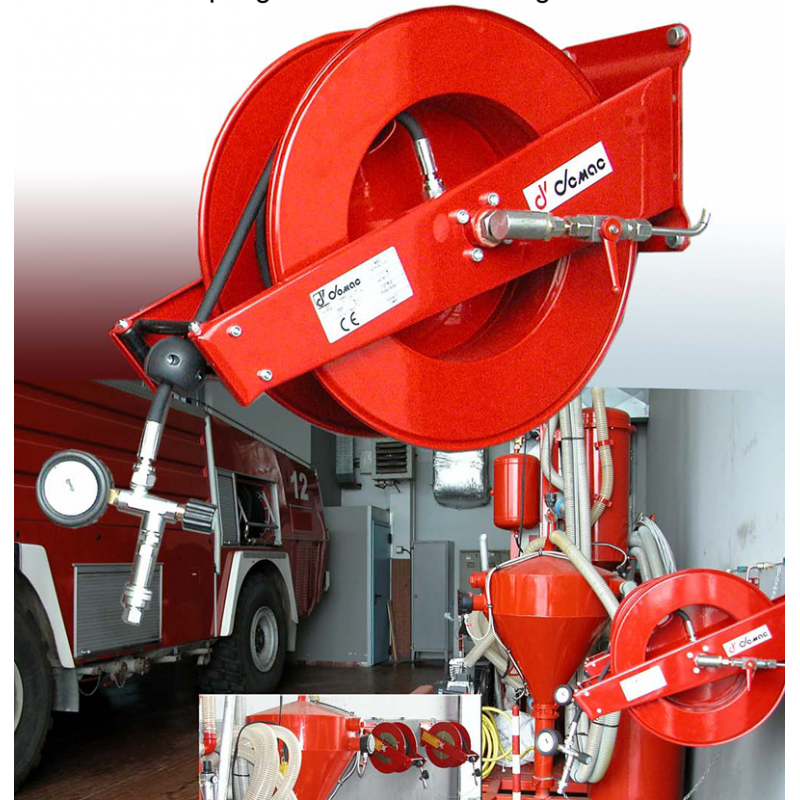
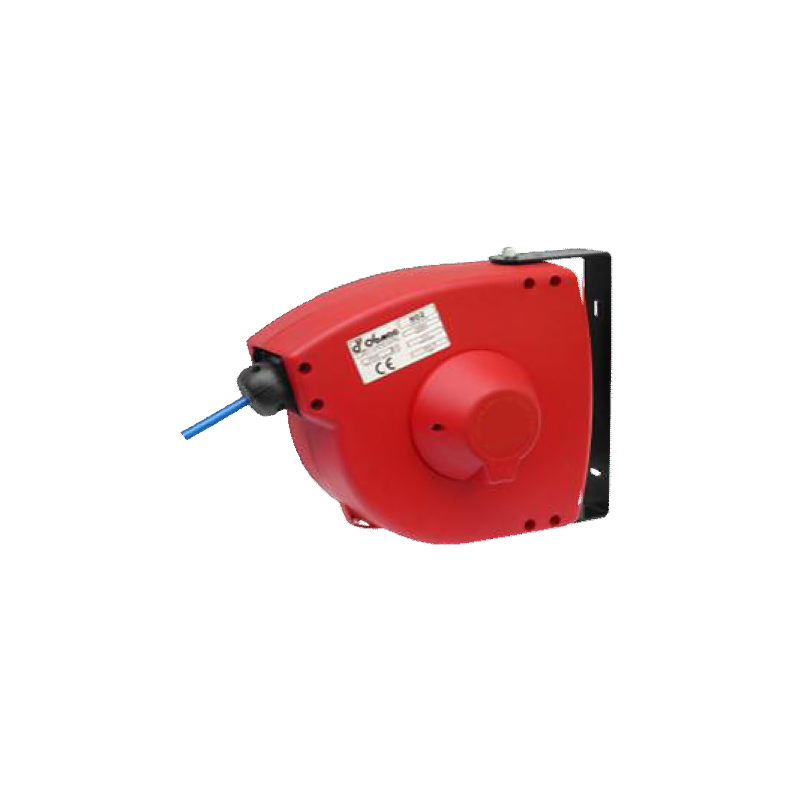
Go to workshop series
Oil, diesel or grease
Start with the 9000 series configurations, then check the fluid, hose and pressure for the part number.
Other fluid or known series
Air/water, stainless steel or another series: consult the part numbers without transferring specifications from one configuration to another.
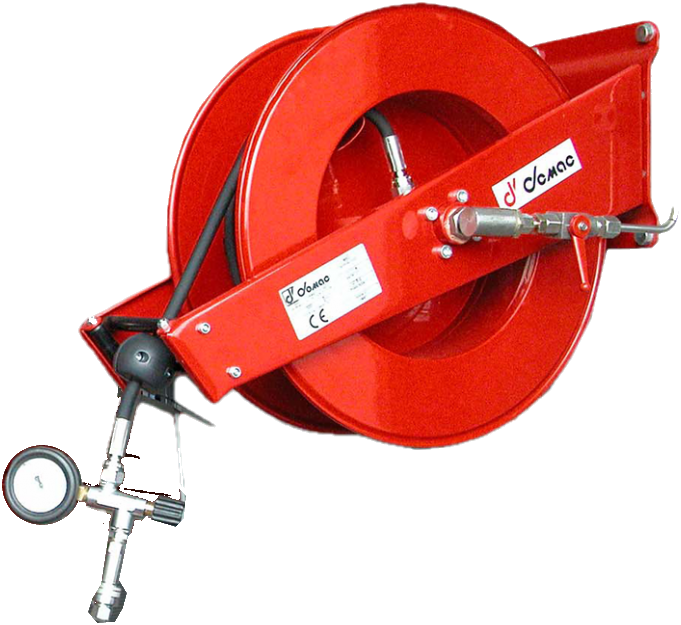
9000 — air, oil, diesel, grease and water
DEMAC 9000 reels: painted-steel versions or stainless steel for water, hoses of 15 or 20 m. Identify the part number, fluid, hose and bracket.
View part numbers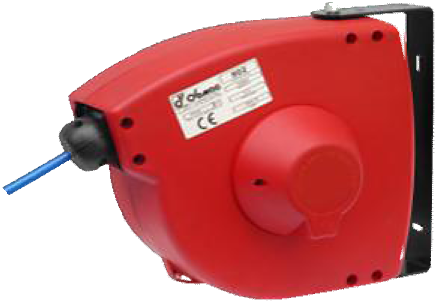
800 — enclosed series
DEMAC 800–804 automatic reels with hose stop and swivelling bracket. Hoses from 5 to 20 m, 10 or 15 bar depending on part number, dimensions in millimetres.
View part numbers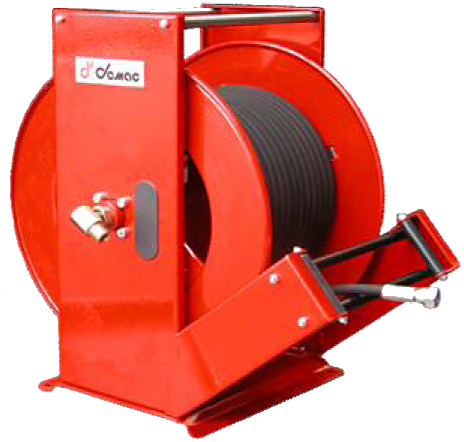
9100 — diameters and lengths
DEMAC 9100 and 9150–9155 reels: painted or stainless steel, pressure and length depending on part number. Up to 40 m or 1 1/4 inch on separate models.
View part numbers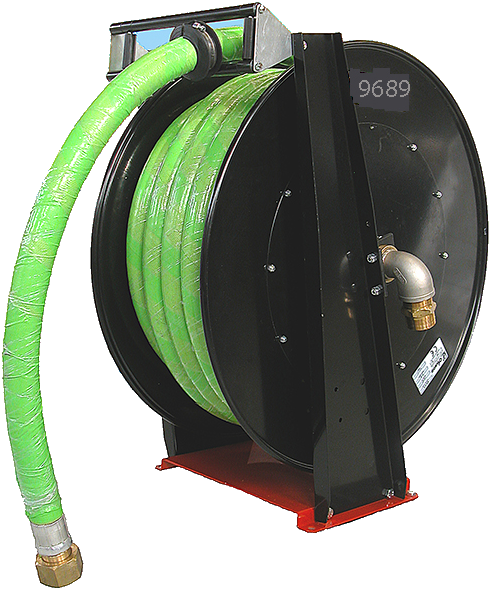
9689 — large diameters
DEMAC 9689 reels with spring return and locking, 40 bar. Hose internal diameters from 10 to 50 mm and BSPP fittings depending on part number, lengths from 8 to 40 m.
View part numbers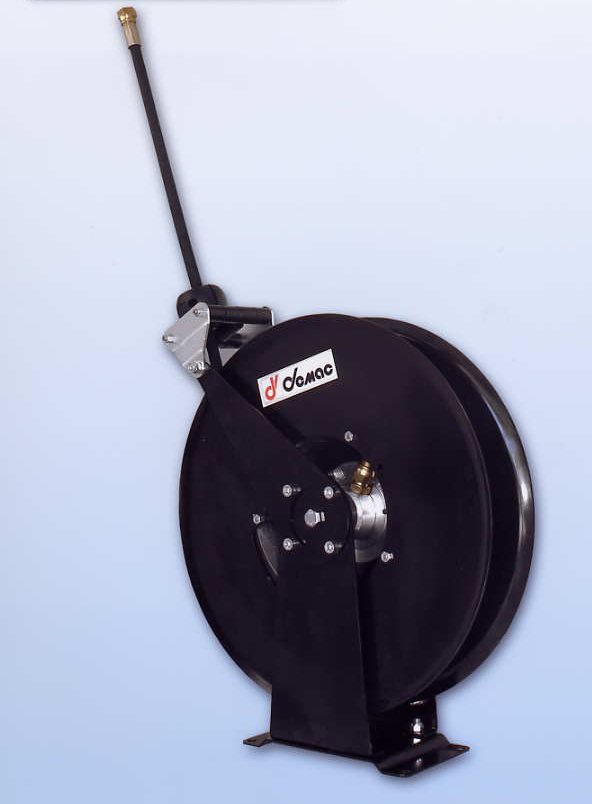
9690 / 9694 — compact configurations
DEMAC 9690 and 9694 reels with spring return and locking, I21 hose, 210 bar. Lengths from 10 to 25 m and dimensions depending on configuration.
Image: 9694 series.
View part numbersOther series to identify: 9690 / 9694 · 19000 · 19500 stainless steel for water.
All series and their selection points
| Series | Selection link |
|---|---|
 800 800 | Enclosed series for the relevant air and water configurations. |
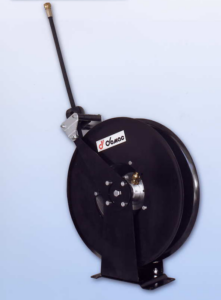 9690 and 9694 9690 and 9694 | Identify the part number from the fluid, hose and operating conditions. |
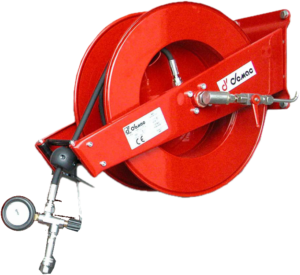 9000 9000 | Compare series configurations with workstation data. |
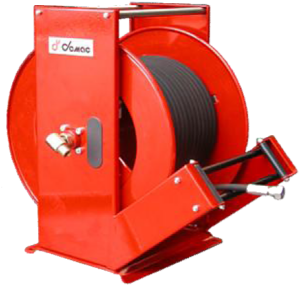 9100 9100 | Compare the available diameters, lengths and configurations. |
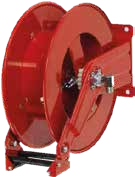 19000 19000 | Start from the part number or hose and circuit specifications. |
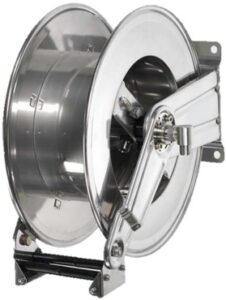 19500 stainless steel 19500 stainless steel | Specify the fluid, temperature and material requirements. |
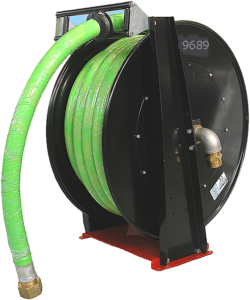 9689 9689 | Identify the configuration and required connections. |
The capacities of a series cannot be combined: pressure, length and diameter must be checked together for the proposed part number.
Fluid and pump data
Fluid
Exact name, composition or product data sheet if needed; state any use with gas.
Pressure and flow rate
Workstation operating values and pump specifications.
Temperature
Fluid and ambient temperatures during operation.
Hose and fittings
Internal diameter, usable length and existing or required connections.
Select the configuration and materials
See the information to record
Specify the fluid, washdown conditions, environment and material requirements. A stainless-steel version cannot be inferred from a painted-steel version while retaining all its other specifications.
The selected part number must be checked with the hose, seals and fittings as an assembly; operating limits are not inferred from housing material.
Describe the workstation and mounting
See the information to record
Include a photograph or drawing showing the bracket, workstation position and hose routing. Record the usable distance, clearances and mountings to retain.
State any need for a swivelling bracket or guide. Mountings and adjustments are defined according to the instructions for the part number and the bracket type; no universal mounting dimension is given here.
Replacement: comparison points
Nameplate and overall view
The full part number, connections and installation help distinguish configurations within the same series.
Hose
Compare construction and operating specifications, not just diameter. See hoses and cables.
Stop and accessories
If retaining the hose stop, include its part number or dimensions and a photograph.
Workstation accessories
Also identify the lances and guns, the guides and pulleys versions and hose stops to retain or supply. For each accessory, specify the fluid, connections and operating conditions concerned.
Prepare your enquiry
For a replacement, start with a legible photograph of the nameplate and a view of the installation. Add the information available below; identify anything still to be confirmed.
- Part number and photograph of the nameplate for a replacement.
- Workstation fluid, temperature, pressure and flow rate.
- Internal diameter, usable length and fittings.
- Photographs of installation, bracket and routing.
- Number of workstations and accessories to retain or supply.
- Environmental constraints and special requirements.